
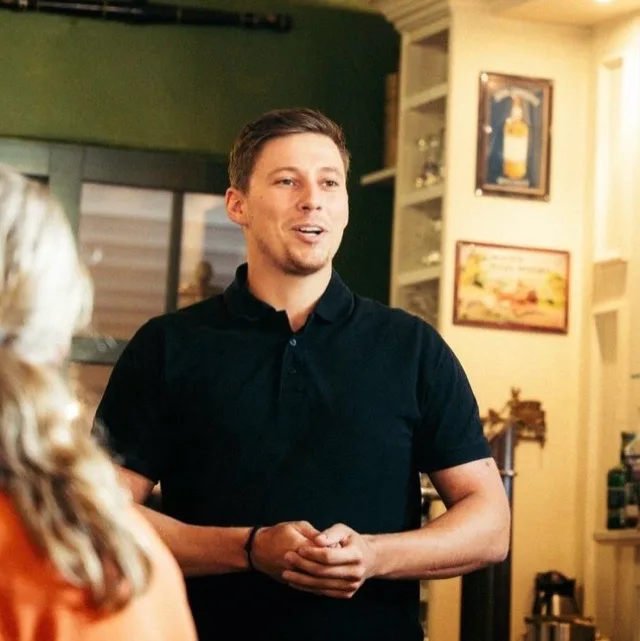
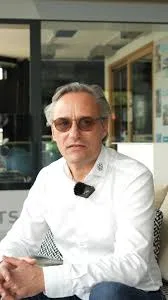

Cracks with no obvious cause, misted panes, draughts, acoustic insulation that does not work: glass damage almost always has a cause in building physics — and it can be established. Our experts from research, surveying practice and the glazing trade assess your case independently.
Glass, planned with clarity — for architects, engineers and planners, building owners and investors.
01
GlasLotsen is the independent consultancy for glass in construction, with no ties to any manufacturer — for architects, engineers and planners, building owners and investors.
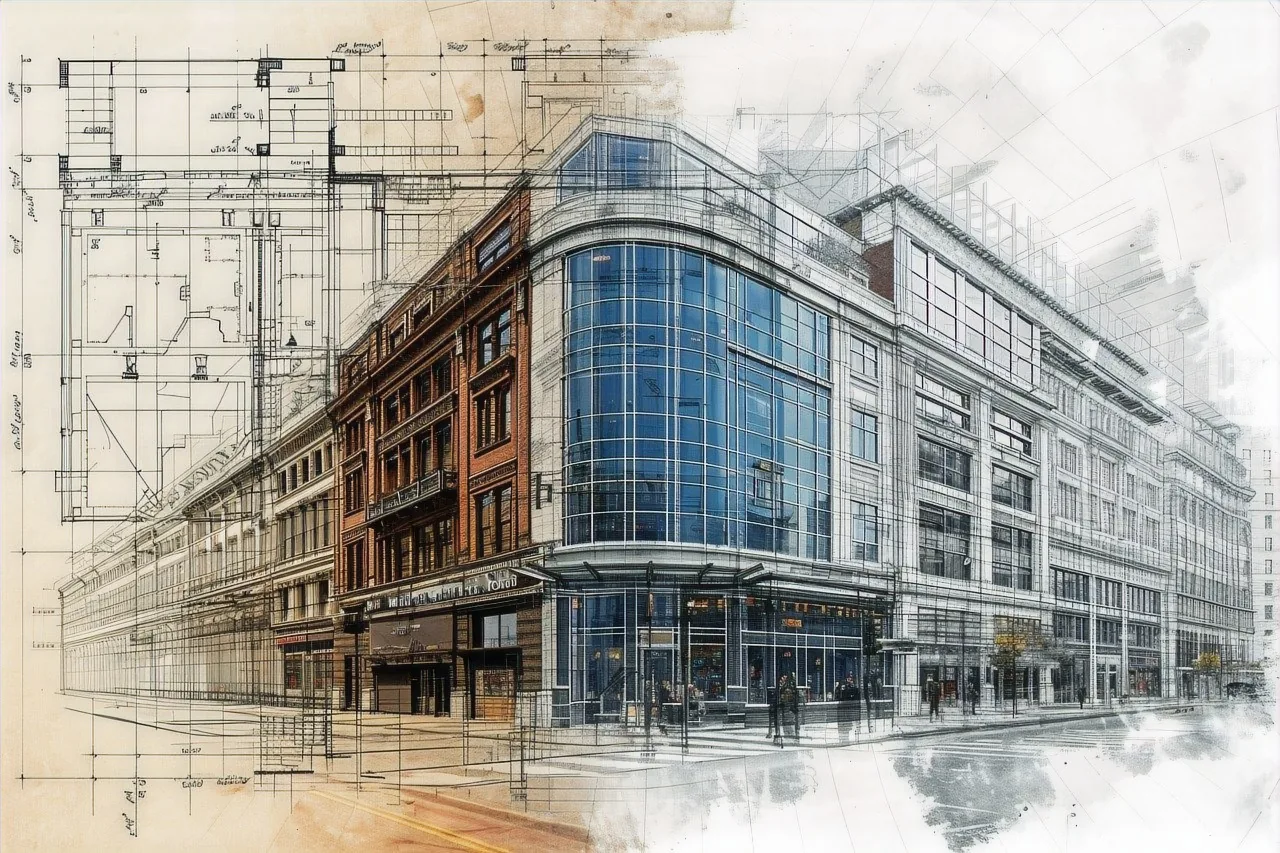
Glass as the building material of the future.
A high-performance material with measurable energy efficiency and recyclability. The U value and g value of the glazing feed into the energy demand calculated to DIN V 18599 and thus into the CO2 emissions shown on the energy performance certificate under § 85 of the German Building Modernisation Act (GModG, formerly GEG). We put the values in context, check the standards and recommend the right product — independent, reliable, documented.
DGNB
LEED
BREEAM
Rating systems for which we supply glass values
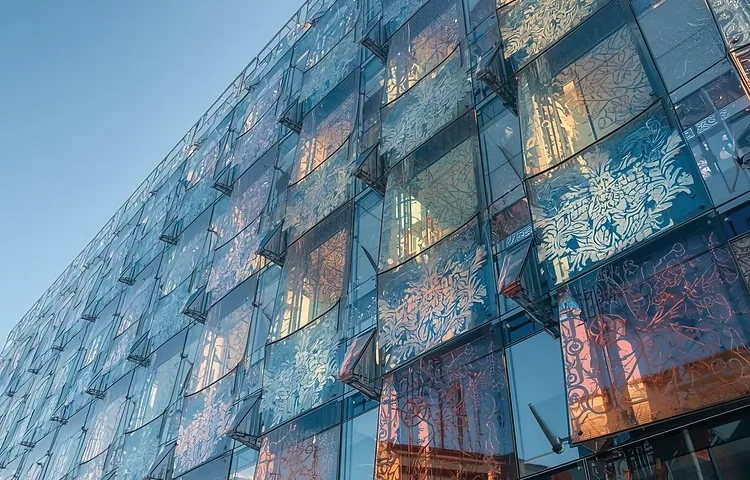
Eight functions — one design.
 02.1
Ceramic print
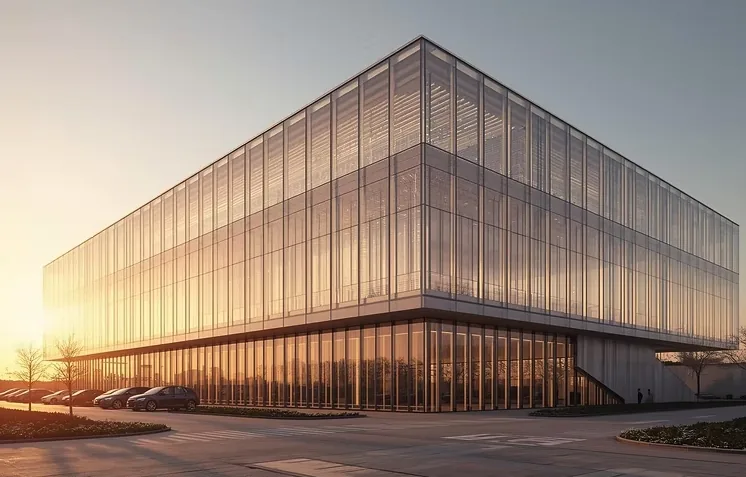 02.2
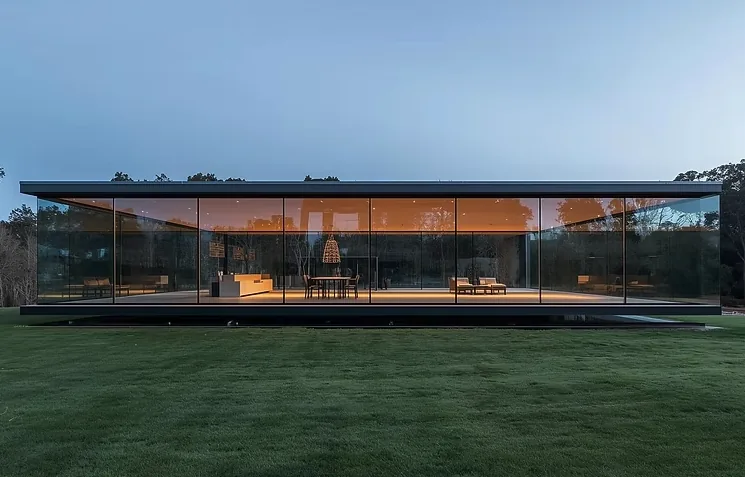
Daylight +
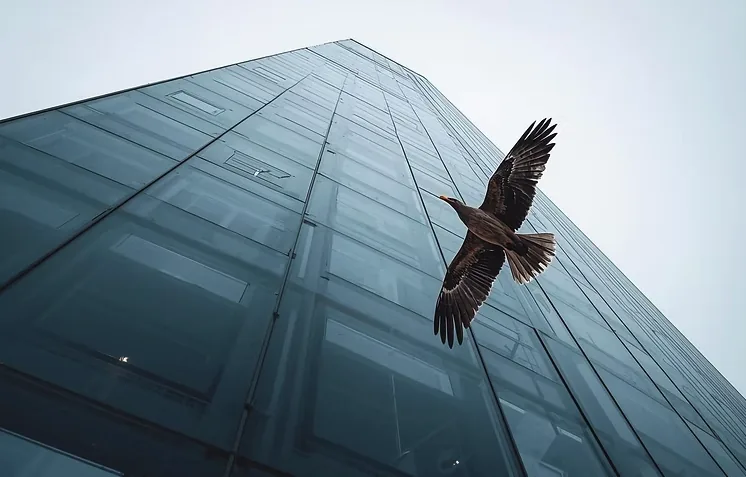 02.3
Marking
 02.4
EI 120
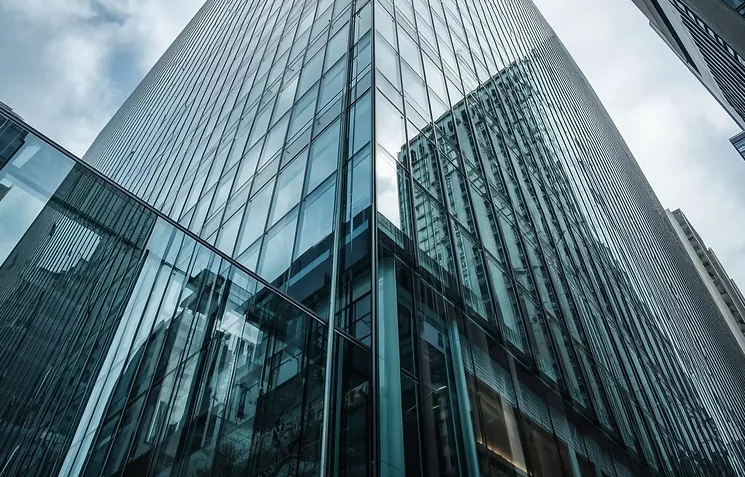 02.5
DIN 18008
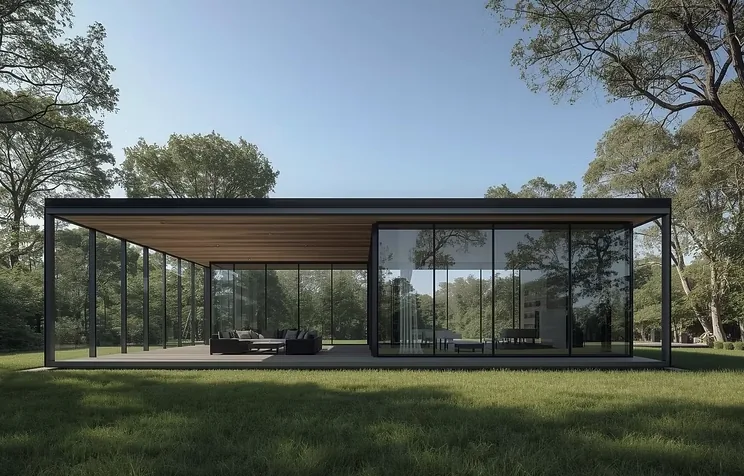 02.6
g 0.24
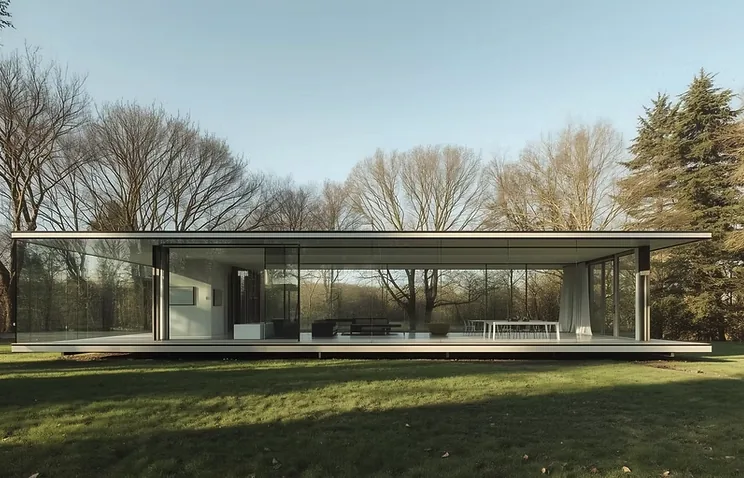 02.7
Rw 48
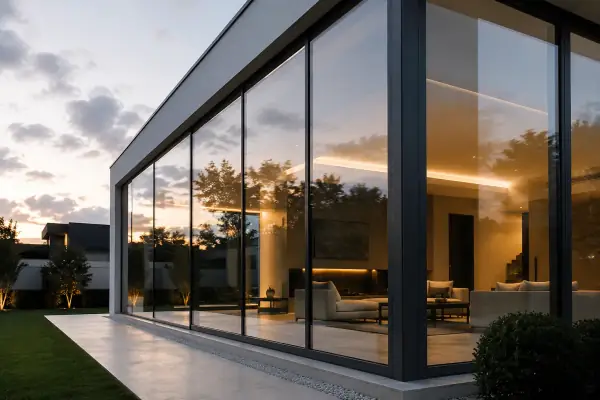 02.8
Ug 0.5
What we plan.
All product areas we advise on — readable as a parts list, documented in detail.
Pos.
Category
Variants
Detail
3.1
Glazing
Fire-resistant · acoustic · solar control · bird-protection · laminated safety · decorative · light-redirecting
→
Your pilots.
Four experts from research, standardisation and practice. Every recommendation is backed by field of expertise and affiliation — verifiable, not claimed.
 04.1
Prof. Dipl.-Ing. Rudolf Schricker
- Field
- Interior architecture · expert reports
- Member
- BDIA · Architektenkammer BW
- Role
- Professor emeritus · Coburg University of Applied Sciences
 04.2
Prof. Dr.-Ing. Dipl.-Inf. Kai Becher
- Field
- Fire protection · energy efficiency
- Institute
- TIVZ · DHBW Mannheim
- Role
- Managing director · building defects
 04.3
Dr.-Ing. Matthias Seel
- Field
- Research · standardisation
- Institute
- TU Darmstadt · GCC
- Role
- Head of research
 04.4
Prof. Dr.-Ing. Michael Engelmann
- Field
- Construction · façades
- Institute
- TU Dresden · IBK
- Role
- Head of institute
When damage occurs: our expert report.
Glass breakage, condensation, a complaint or a disputed acceptance? We establish the causes independently of any manufacturer — backed by experts from research, surveying practice and the glazing trade. For architects, building owners, insurers and courts.
→ Request an expert reportWe don’t check alone.
- A Fraunhofer-Institut für Werkstoffmechanik IWM Materials · strength
- B Glass Competence Center · TU Darmstadt Additive manufacturing · standardisation
- C TU Dresden · Institut für Baukonstruktion Structural glass · façades
- D Technologie- und Innovationszentrum Bauwesen · TIVZ Mannheim Fire protection · building defects
Our partner network.
Our partners — FINEO by AGC, glass-inspiration, Heiler, XFRAME, Glasbiegerei Pfaltz, FIEGER, Pelzer LED, GlasKeil, RELI Glastechnologie, SEEN and WICONA by Hydro — cover a wide range of products and special solutions and support GlasLotsen as sponsors. We decide which solution and which supplier suit your project on the basis of its requirements, also beyond this network. The sponsors have no influence on this.









Glass becomes a stance.
Architects and interior architects on what glass achieves in their projects — in their own words, translated from German.
 07.1
Samira Isabelle Müller
Interior ArchitectFor me, glass is indispensable in interior architecture. It brings lightness and transparency to rooms, maximises natural light and creates an open atmosphere. This combination of elegance and functionality makes glass a versatile design tool. The proven biological, psychological and sociological significance of light can be shaped deliberately with glass.
 07.2
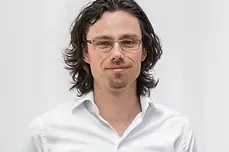
Martin Reimer
4a Architekten GmbHSince 4a Architekten build many pool and spa projects that are often on greenfield sites surrounded by nature, the interplay of architecture and landscape is one of our central leitmotifs. On the one hand, to integrate the building into its surroundings appropriately and sensitively; on the other, to bring the landscape and its special features into the building. Among other things, this is achieved through large-scale glazing that creates a flowing transition from inside to outside while bringing plenty of daylight into the building — or, conversely, through deliberately placed openings in the building envelope. Designing with glass therefore plays an important role in our design process and is fundamental to the atmosphere of our spaces.
 07.3
Lukas Haag
Dipl.-Ing. ArchitectAs an architect, I see glass not just as a building material but as a medium for light, space and innovation. It connects inside and outside, brings nature into our rooms and combines aesthetics with functionality. New technologies such as smart glass and solar panels make intelligent, forward-looking architecture possible. Glass is more than a material — it inspires, encourages creativity and creates a deeper connection between people and their surroundings.
 07.4
Peter Faisst
ArchitectIn my opinion, glass is a material that is indispensable in the design of interiors. The transparency of glass structures rooms without restricting their functionality. Because the surfaces of glass can be coated to suit one's own ideas, divisions within rooms can be created that would be difficult to achieve with other materials. The incidence of light makes rooms appear more alive.
 07.5
Sylvia Mitschele-Mörmann
Interior ArchitectWhat does glass mean to me as an interior architect? Glass connects the interior with the exterior. Glass is a meditative material. Glass is the essential material when entering rooms, when working, when relaxing, when living. Especially when building in existing structures, I can direct glass and translucency when optimising floor plans. For example, I can let dark corridors end in glass and create a connection to the surroundings, to the outside world, to nature.
 07.6
Prof. Stefan Schäfer
ass ArchitektenGlass is very demanding: it requires the highest level of design and construction expertise. Glass offers maximum design variety — from maximum to minimal transparency. Glass has a great deal of potential for the future and has a maximum effect on the surrounding conditions. In construction, glass is not yet using its full potential: hardly any material is researched more intensively. Glass in the building envelope creates distance — transparent buildings require a lot of outdoor space. And glass is democratic: it creates necessary transparency.
 07.7
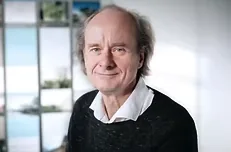
Achim Söding
Weber Auer Architekten BDAThe coordinated use of different materials determines the qualities of spaces. As a medium for daylight, glass plays a special role in the choice of materials and allows views through, views out and views in. The targeted incidence of daylight shapes the space. Colours and filters regulate the light and create different atmospheres.
When glass fails.
[!]
Defects & expert reports
Describe your case — we arrange the right expert and explain
how an expert report works.
[01]
Thermal stress breakage
Cracks caused by partial shading — the typical crack running in at 90° to the edge. (German only)
[02]
Structural design & glass thickness
Incorrect sizing and setting blocks — DIN 18008 not followed. (German only)
[03]
Window installation errors
Faulty junctions and sealing — draughts and moisture. (German only)
[04]
Avoiding building defects
All types of damage and the five principles of prevention. (German only)
Four tools — one call.
[8.1]
GlasWiki
Ten knowledge areas from DIN 18008 to listed buildings — searchable. (German only)
[8.2]
Consulting
Independent glass consulting for design, tendering and construction.
[8.3]
Find a fabricator
Qualified glass fabricators and installers, by region and specialism. (German only)
[8.4]
Request an expert report
Assessment, expert opinion, building defects — independently documented.